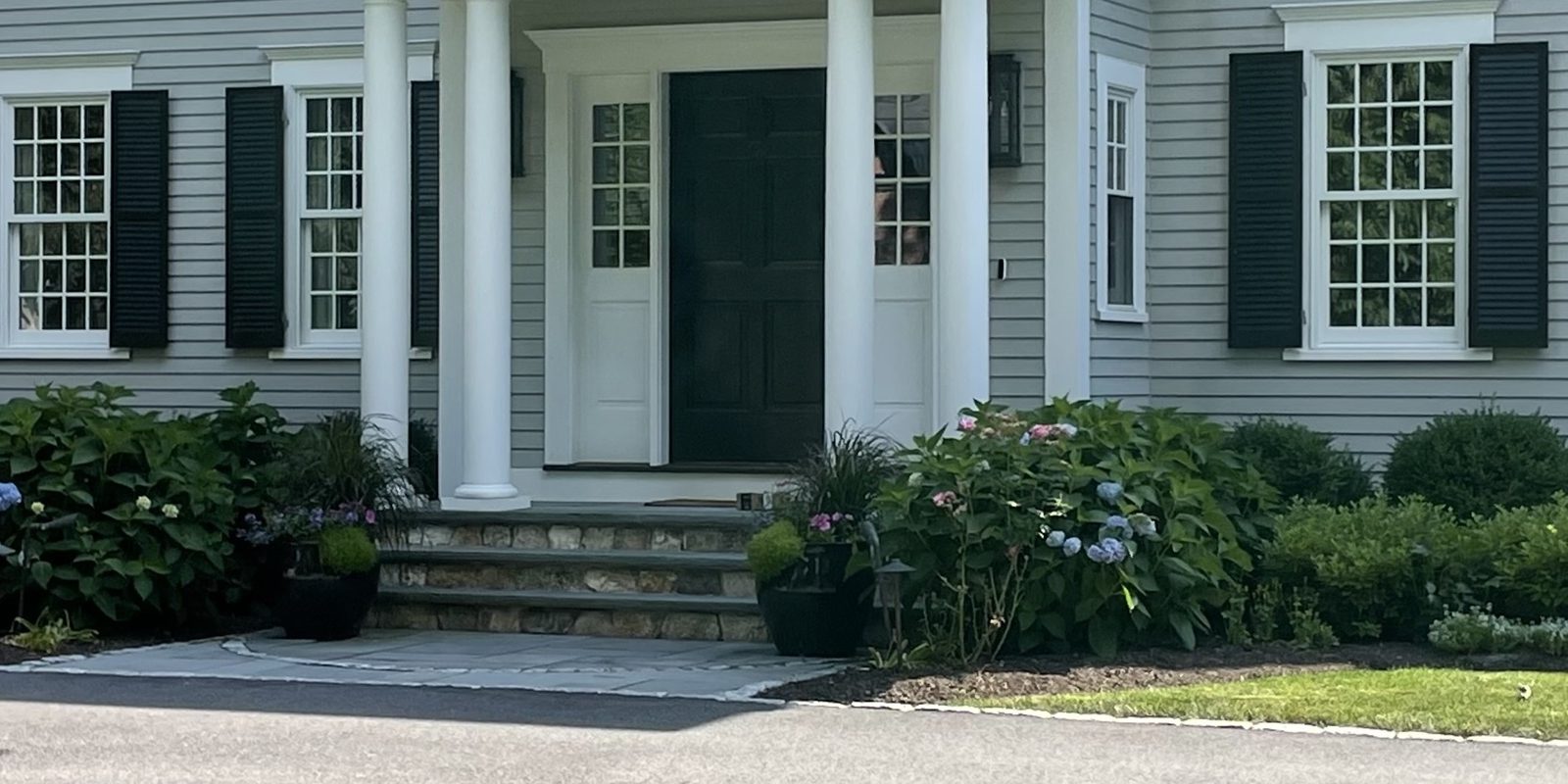
Quick answer: Garden centers can make it easier for customers to buy complete gardens by replacing the “what should I get?” moment with a clear garden direction, a practical plant list, and a staff conversation grounded in local knowledge. The goal is not a bigger basket at any cost; it is a plan that customers can understand, source, and succeed with.
Begin with the customer’s problem, not the plant rack
Customers rarely arrive with a fully formed planting plan. They arrive with a problem: a bare front bed, no privacy, too much sun, an awkward curve, or a yard that feels unfinished. Train staff to ask a few useful questions before suggesting plants: How large is the area? What is the light and soil like? What needs to stay? What level of upkeep is realistic? When the answer is clear, the customer has a reason to choose a coordinated plan rather than a handful of disconnected plants.
This approach also helps the team explain tradeoffs. A fast screen may need more room. A drought-tolerant bed may not suit shade. A flower color may be unavailable, but the structure and purpose of the design can remain intact with a sensible substitution.
Give customers a garden direction they can react to
A visual garden direction is useful because it makes the discussion concrete. Instead of asking a customer to imagine how individual pots will look months later, staff can discuss a complete feeling: a layered entry, a pollinator border, a privacy planting, or a low-maintenance island bed. The visual should not be presented as an exact promise. It is the starting point for a local plan.
gardenUP gives partners curated garden directions, a planting layout, and a plant list that can be reviewed with the customer. The team can then bring its own horticultural knowledge to the decisions that matter: local performance, inventory, substitutions, timing, delivery, and installation.
Make the plant list the practical handoff
The plant list keeps the experience grounded. It gives staff a clear way to source plants, recommend appropriate alternatives, and explain quantities. It also gives customers something useful to take home or revisit later. A visual alone may inspire a purchase; a list and layout make it easier to complete one.
- Review each plant for site fit and mature size before promising availability.
- Offer substitutions based on function, not only flower color.
- Group products into logical phases when the customer cannot install everything at once.
- Include care guidance and a next step for questions after purchase.
For a deeper framework, read how to sell complete garden plans instead of single plants.
Keep the in-store experience local and human
Technology should reduce uncertainty, not replace a good conversation. A garden center still wins when staff can explain why a plan works in the local climate, where to change it, and what success will require in the first season. Display beds, local photos, workshops, and a calm place to review a layout make the digital step feel more useful rather than more complicated.
Measure results honestly. Track how often customers complete a plan, ask for substitutions, return for follow-up help, or refer a friend. Those signals are more meaningful than assuming every visualization becomes a sale.
Build a repeatable planning service
A consistent process gives new staff confidence and helps experienced staff spend time on the questions only they can answer. If your team wants a white-label planning experience with  Dirt AI, exact plant lists, customer tools, and a partner backend, explore the gardenUP partner platform.
share this article