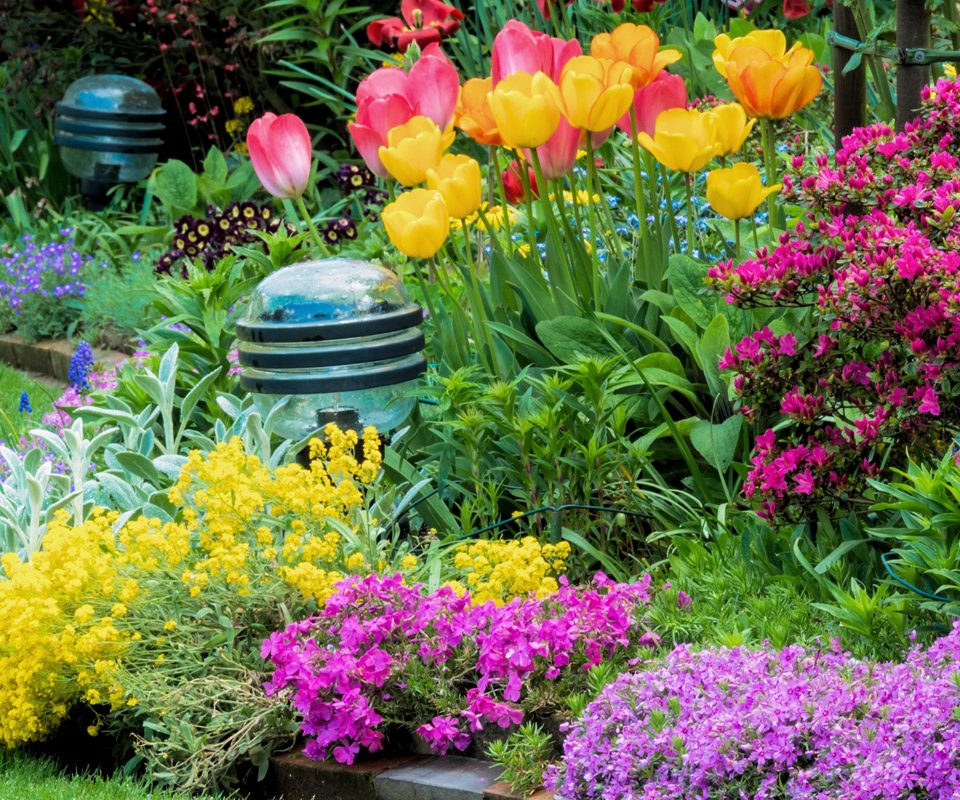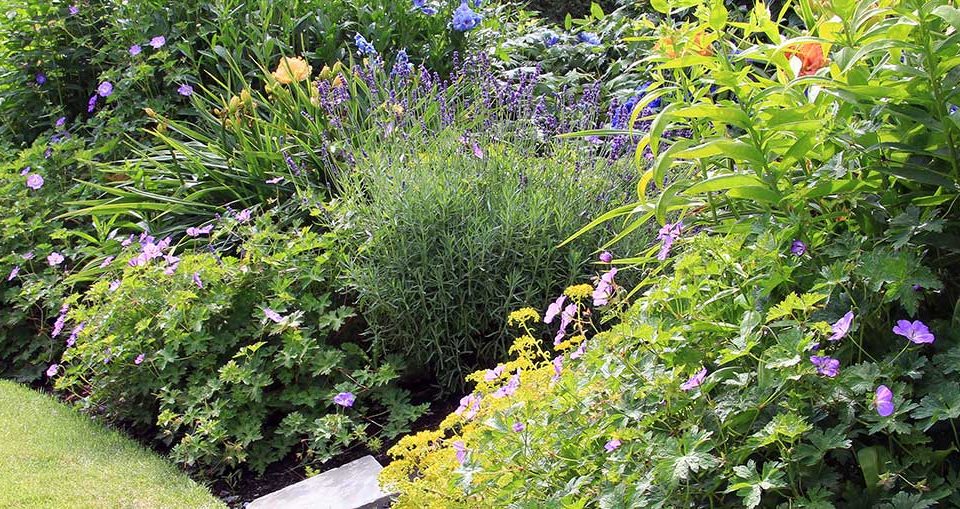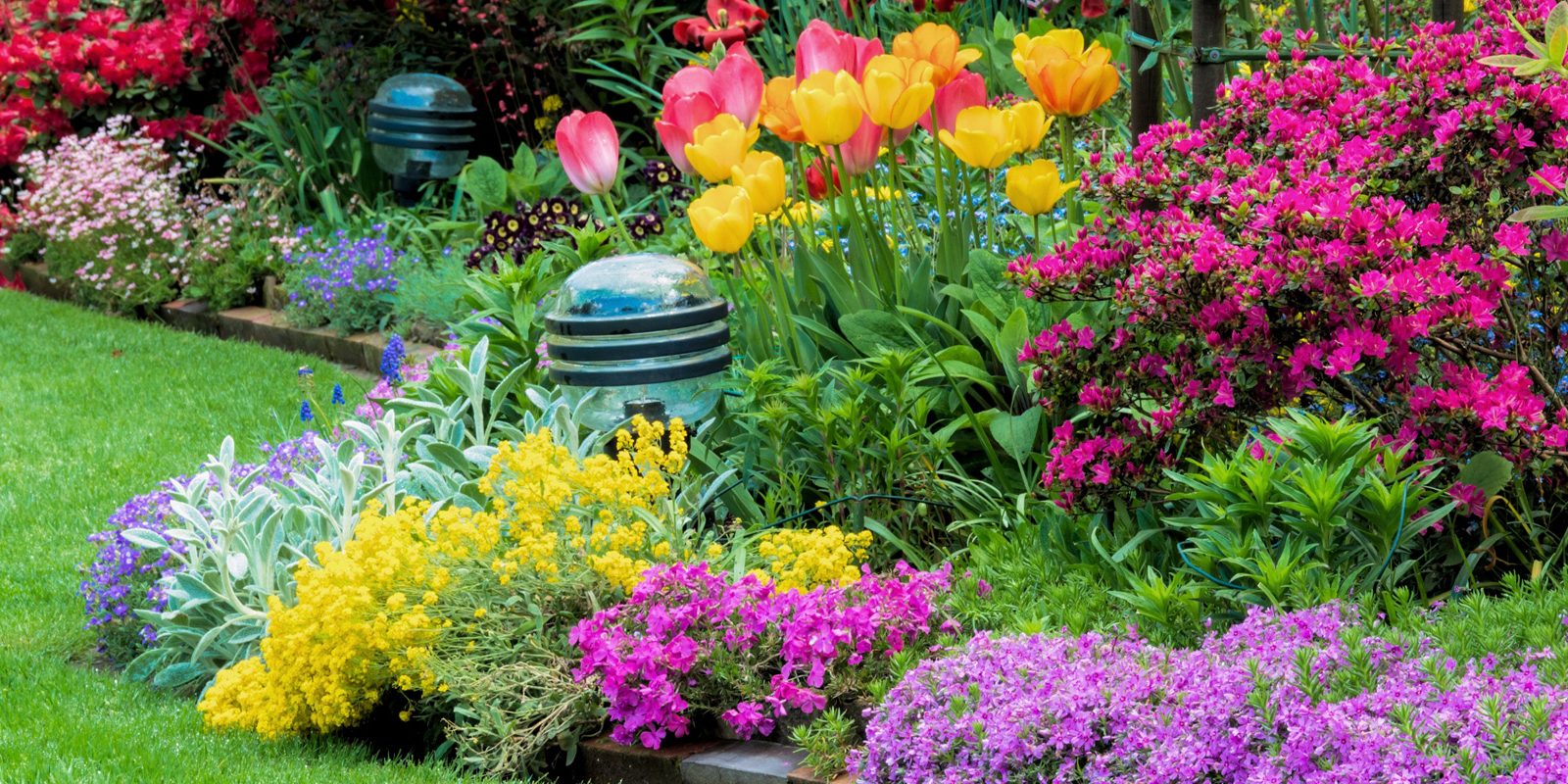
A pollinator-friendly garden is more than a few flowers marked “bee friendly.” It provides food through the growing season, plants that fit the site, places for insects to shelter, and a lower-risk approach to pest control. Start small if needed. A well-planned border or a few containers can become a useful part of a larger habitat network.
Begin with your garden's actual conditions
Notice sunlight, soil moisture, drainage, wind, and mature space before choosing plants. A dry, sunny slope needs a different plant palette from a damp edge near a downspout. Locally appropriate native plants are often strong choices because they are adapted to regional conditions, but they still need the right location and thoughtful establishment care.
The U.S. Fish and Wildlife Service pollinator-garden guide recommends choosing plants for local soil and light, then planning blooms across the season.
Plan a sequence of blooms
Pollinators need more than a single burst of midsummer flowers. Build a sequence: early flowers or shrubs for spring, several flowering species for summer, and asters, goldenrods, or other appropriate late-season plants for fall. Repeating a few plant groups makes it easier for insects to find them and gives the garden a more coherent look.
Choose plants with more than color in mind
Consider flower shape, bloom time, foliage, and the plant's role in the whole bed. Include grasses, shrubs, and host plants where appropriate, not only showy flowers. Confirm botanical names and local native status through a trusted nursery, state native-plant resource, or Extension office. Avoid assuming that every cultivar provides the same value or behaves like the straight species.
Plant in visible, repeatable groups
Clusters of the same species are easier for people to read and can make a small garden feel more intentional. Repeating those clusters across a bed also gives you a simpler care routine than scattered single plants. Leave room between groups for mature spread and for access during the first season of weeding and watering.
Offer shelter and water without overbuilding
Many pollinators use stems, leaf litter, bare patches of soil, and plant cover as part of their life cycle. Leave some natural material in less-visible areas where it does not affect safety or access. A shallow water source can help when it is maintained cleanly and safely. The garden does not need a collection of novelty structures to be useful habitat.
Reduce unnecessary pesticide exposure
Identify a problem before treating it. Hand removal, better airflow, sanitation, timing, and plant selection can solve many garden issues without broad spraying. If control is needed, use the product label exactly, choose a targeted solution, and avoid application when pollinators are active on flowers. The goal is to manage meaningful damage while preserving the insects that are helping the garden function.
Start with one bed that can grow over time
Choose an area that you can water and weed while plants establish. Add several species rather than dozens, leave room for mature growth, and observe which ones perform in your yard. A pollinator garden becomes more valuable as it develops, so build it in stages rather than expecting immediate perfection.
For locally appropriate plant ideas, read native plants for Northeast gardens. Then use  Dirt AI to explore a planting layout that balances flowers, structure, and the space you have.
share this article