Quick answer: A low-maintenance rose is not a no-maintenance rose. The easiest roses are disease-resistant shrub types planted in full sun with good airflow, enough space, and a simple routine of deep watering, light pruning, and observation.
What “low maintenance” really means for roses
A low-maintenance rose should bloom well without constant spraying, complicated pruning, or staking. That does not mean it can thrive in shade, crowded soil, or a container that dries out every afternoon. Start with a shrub rose or another variety recommended by local growers for disease resistance and winter performance. Read the tag for mature size, bloom habit, and hardiness before choosing by flower color alone.
The right rose for one garden may be the wrong rose for another. A compact repeat-bloomer may suit a front bed, while a larger shrub rose may need room at the back of a mixed border. Give the plant space now so it does not become an annual pruning project later.
Plant roses where they can stay healthy
Most roses need at least six hours of direct sun for strong flowering and foliage. Morning sun is especially helpful because it dries dew from leaves. Choose a site with soil that drains well and enough open space for air to move around the mature shrub. Avoid planting a new rose where an old rose repeatedly failed unless the soil issue has been addressed.
- Plant at the depth recommended for your type of rose and local climate.
- Water deeply at the base rather than wetting foliage whenever possible.
- Mulch two to three inches deep to steady soil moisture and limit weeds, keeping mulch back from stems.
- Space neighboring plants so foliage dries after rain and sunlight reaches the whole shrub.
If the bed is compacted or low in organic matter, work on that foundation first. This guide to improving garden soil is a practical place to begin.
Keep the care routine simple
Water new roses consistently while they establish, then check soil moisture during dry periods rather than watering by habit. Remove dead, damaged, or crossing stems with clean tools. The timing and extent of annual pruning depends on the rose type and climate, so follow the cultivar’s guidance instead of cutting every rose the same way.
Deadheading can keep repeat-blooming roses tidy and encourage more flowers, but it is not required for every rose or every gardener. If rose hips are attractive or useful to wildlife, leave some late-season flowers to develop naturally. The goal is a garden you can maintain, not an endless list of chores.
Notice disease pressure early
Black spot, powdery mildew, and insect damage are easier to manage when you notice them early. Start with simple improvements: better airflow, watering at the base, cleaning up fallen diseased leaves, and avoiding excess fertilizer. If a problem repeats, get a local diagnosis before buying a treatment. Choosing a resistant variety is usually more effective than trying to rescue an unsuitable one year after year.
Do not promise a rose will be deer-proof or pest-proof. Garden conditions change, and even resilient plants need observation during unusual heat, rain, or browsing pressure.
Use roses as part of a complete garden
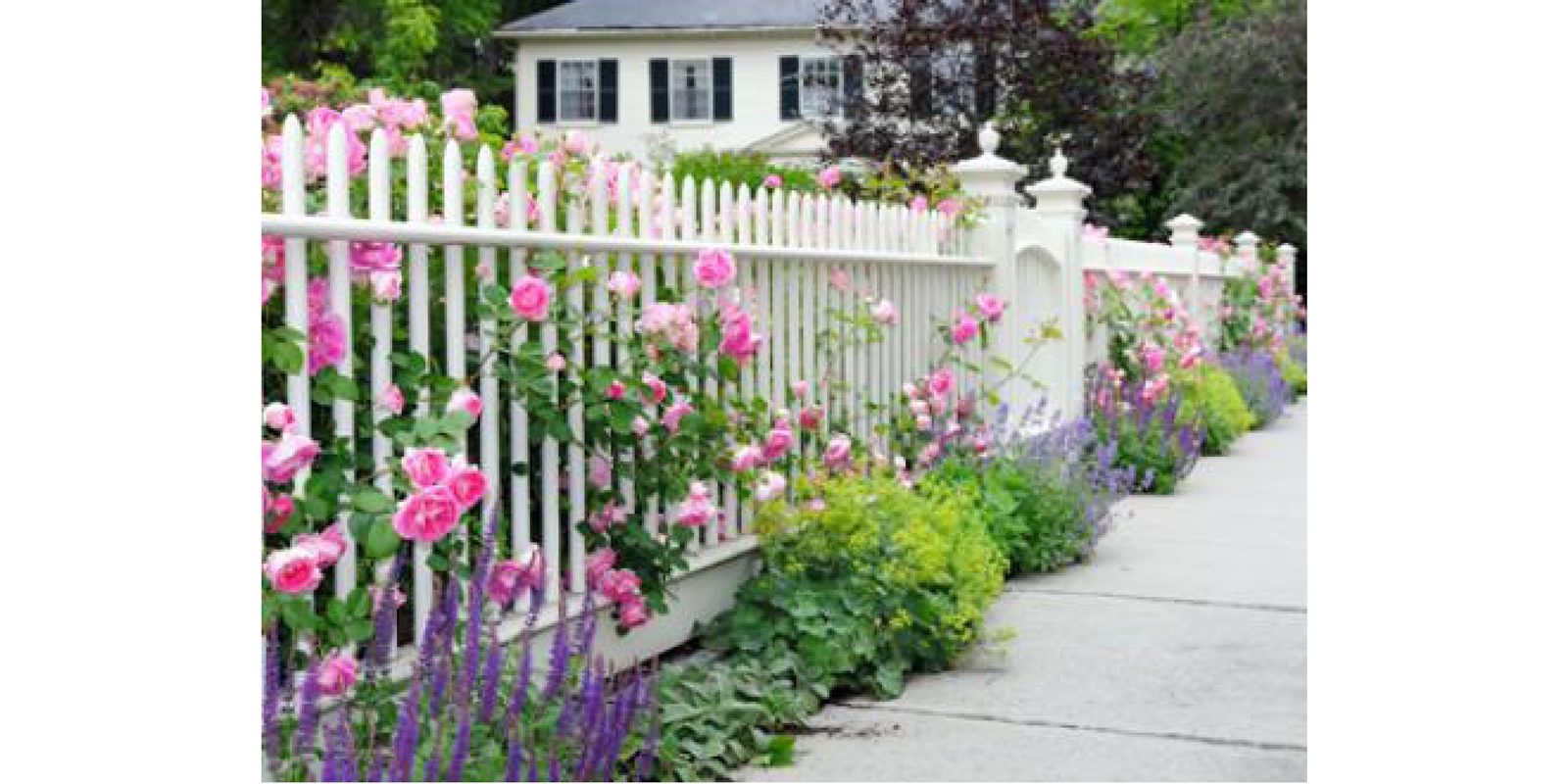
Roses look best when they are not isolated. Pair them with plants that share their sun and drainage needs, then use foliage and later-blooming perennials to keep the bed interesting between flushes. A simple palette of two rose colors and a few repeated companion plants often looks more considered than a crowded collection of single plants.
For a fuller layout, read how to use garden color for curb appeal. Then take a photo and rough measurements of the bed and use  Dirt AI to map a rose garden that fits the time you actually want to spend caring for it.
share this article